
Harvest 2026: Early Picks, Bright Acidity & Wines Taking Shape

Harvest 2026: Early Picks, Bright Acidity & Wines Taking Shape
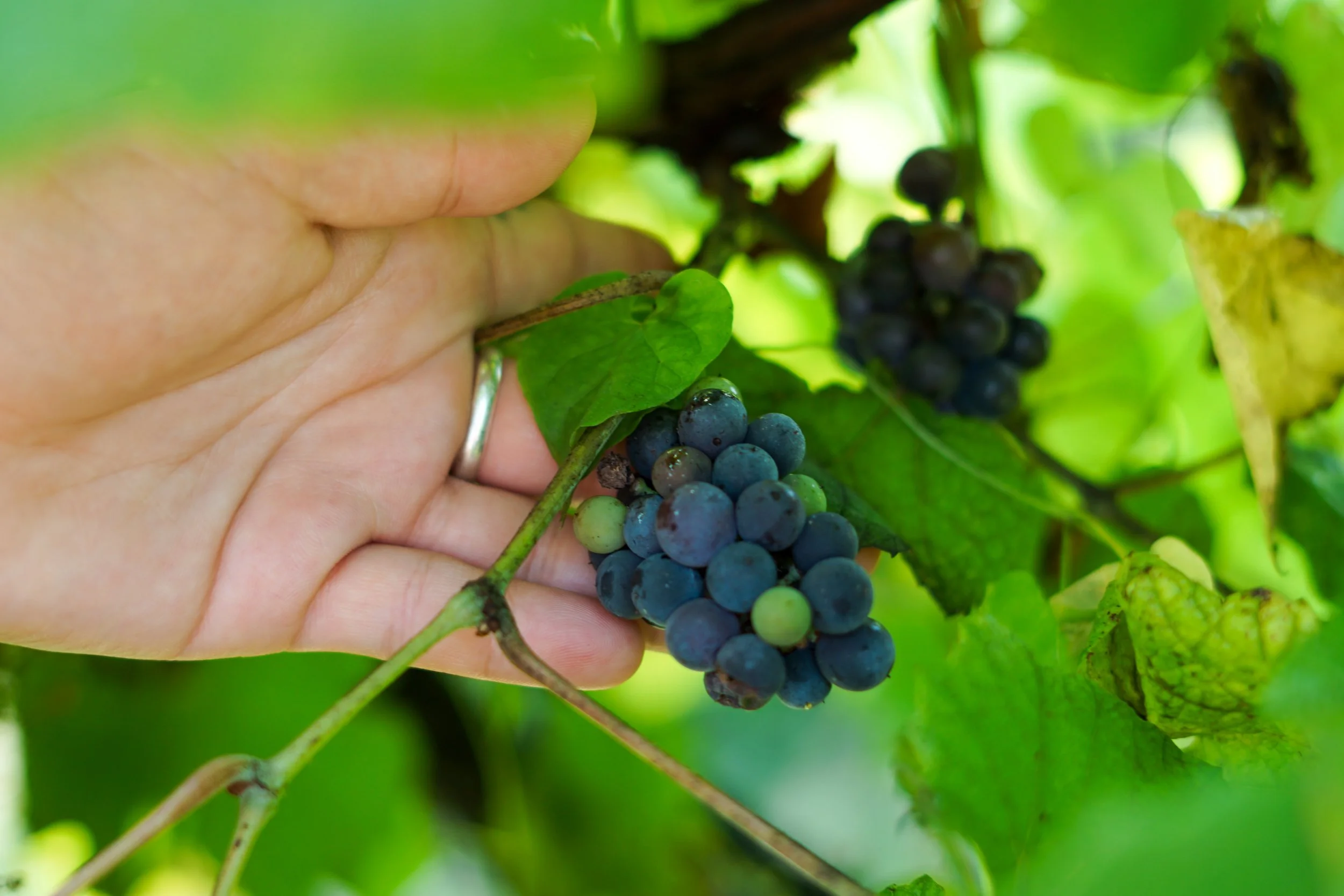
Harvest is officially underway at Bluemont Vineyard, and the 2026 vintage is already telling an interesting story.
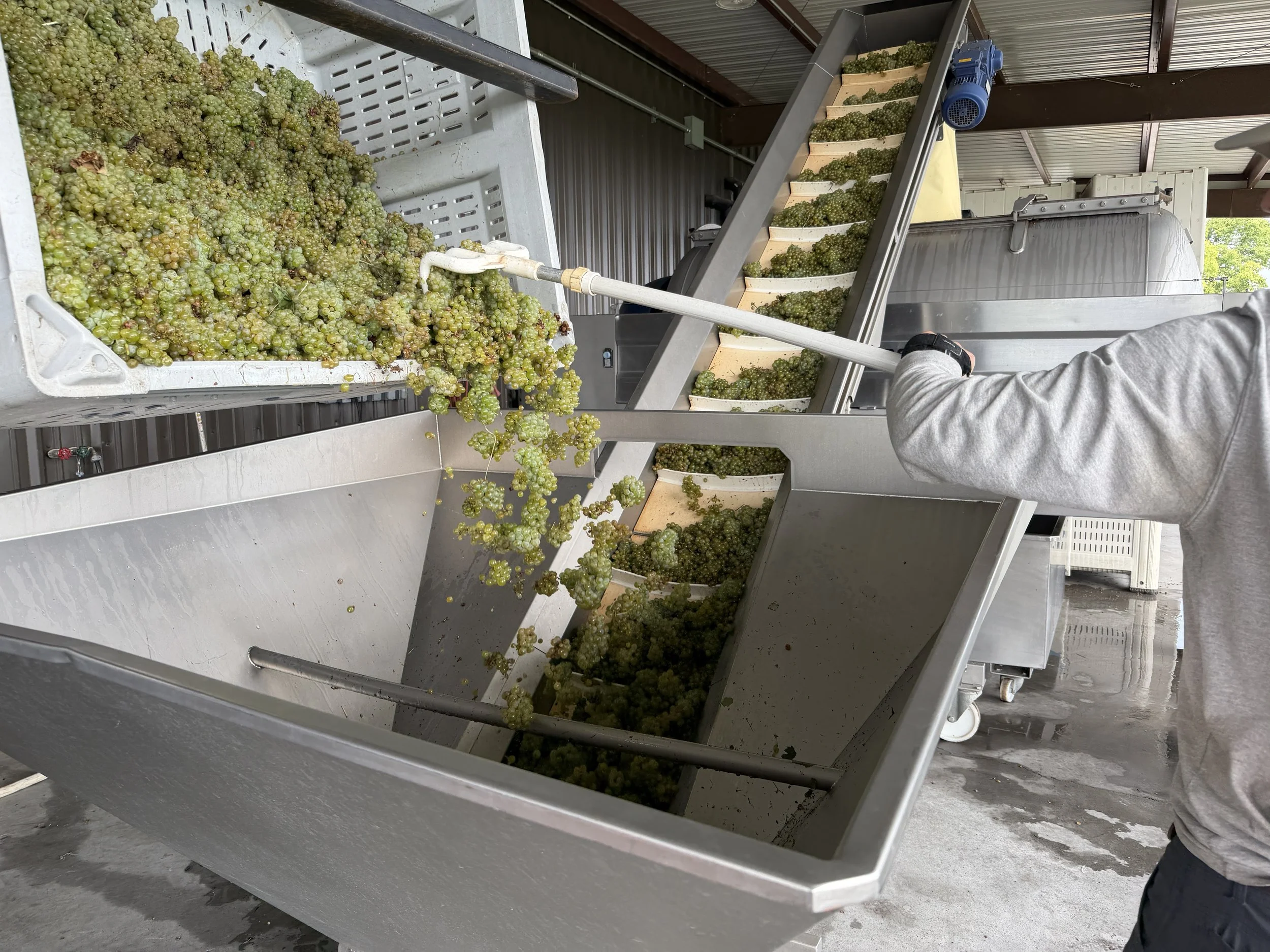
This year’s harvest began with a lighter crop of Albariño, Sauvignon Blanc, and Chardonnay, a result of the April frost that affected vineyards across the region. Rather than producing three smaller lots, our winemaking team saw an opportunity to create something unique. The juice from these varieties was combined to create a distinctive white blend, bringing together the bright citrus character and refreshing acidity we look for in a Virginia white wine.
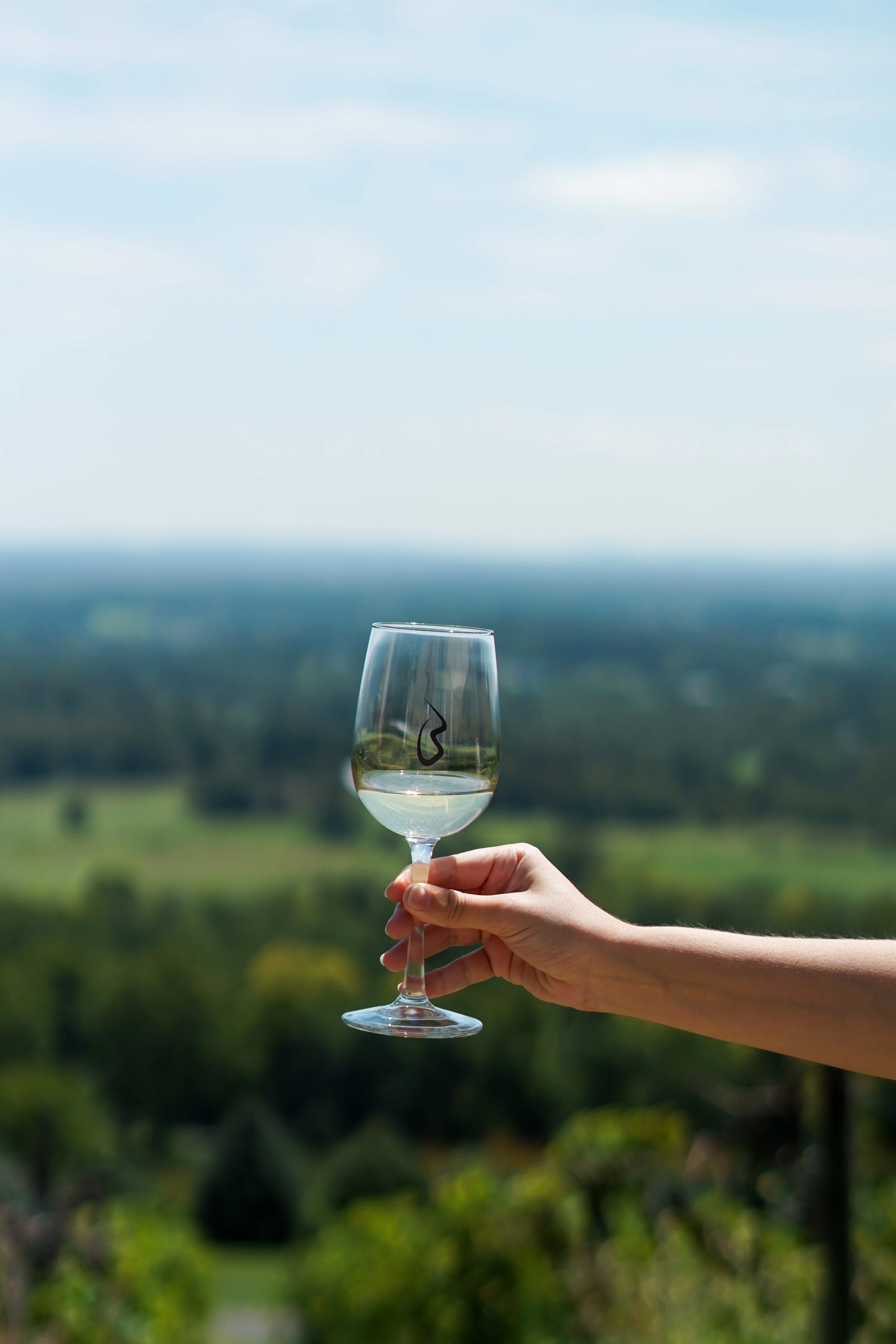
The wine is currently at 5 Brix and actively finishing fermentation, with the goal of taking it completely dry. Even at this early stage, it is showing beautiful citrus fruit, lively acidity, and a rounded, refreshing finish. While there is still plenty of development ahead, the early tasting notes are promising.
Viognier: Aromatic & Full of Promise
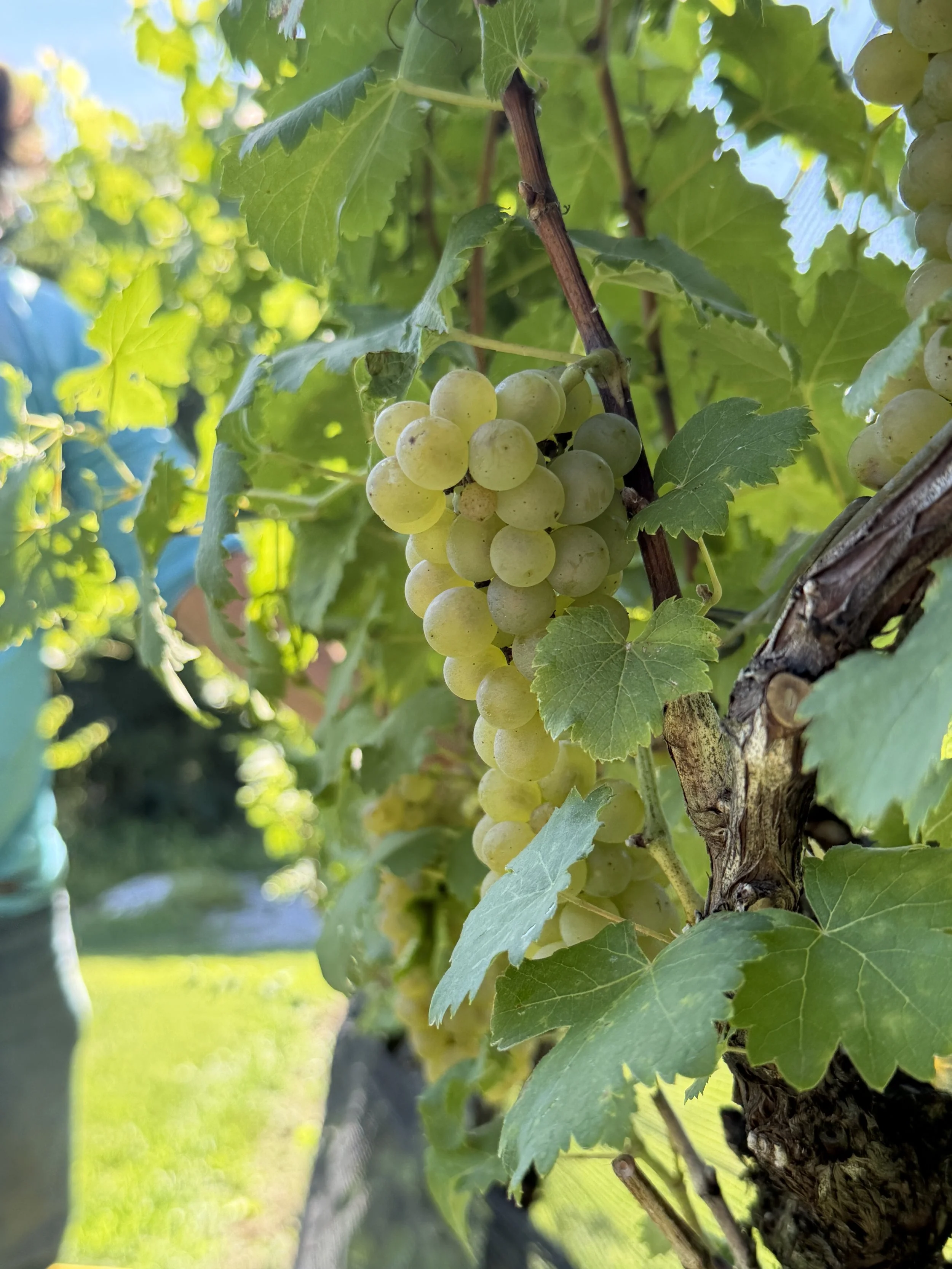
Our next estate pick brought in several tons of Viognier, and this fruit arrived with excellent chemistry. Viognier is prized for its expressive aromatics and lush fruit character, often showing notes of peach, apricot, honeysuckle, and tropical fruit as the wine develops.
The Viognier has just begun fermentation, so the character of this wine will continue to emerge over the coming weeks. At this stage, the fruit is showing tremendous promise.
Petit Manseng: An Early Pick With a Sparkling Future
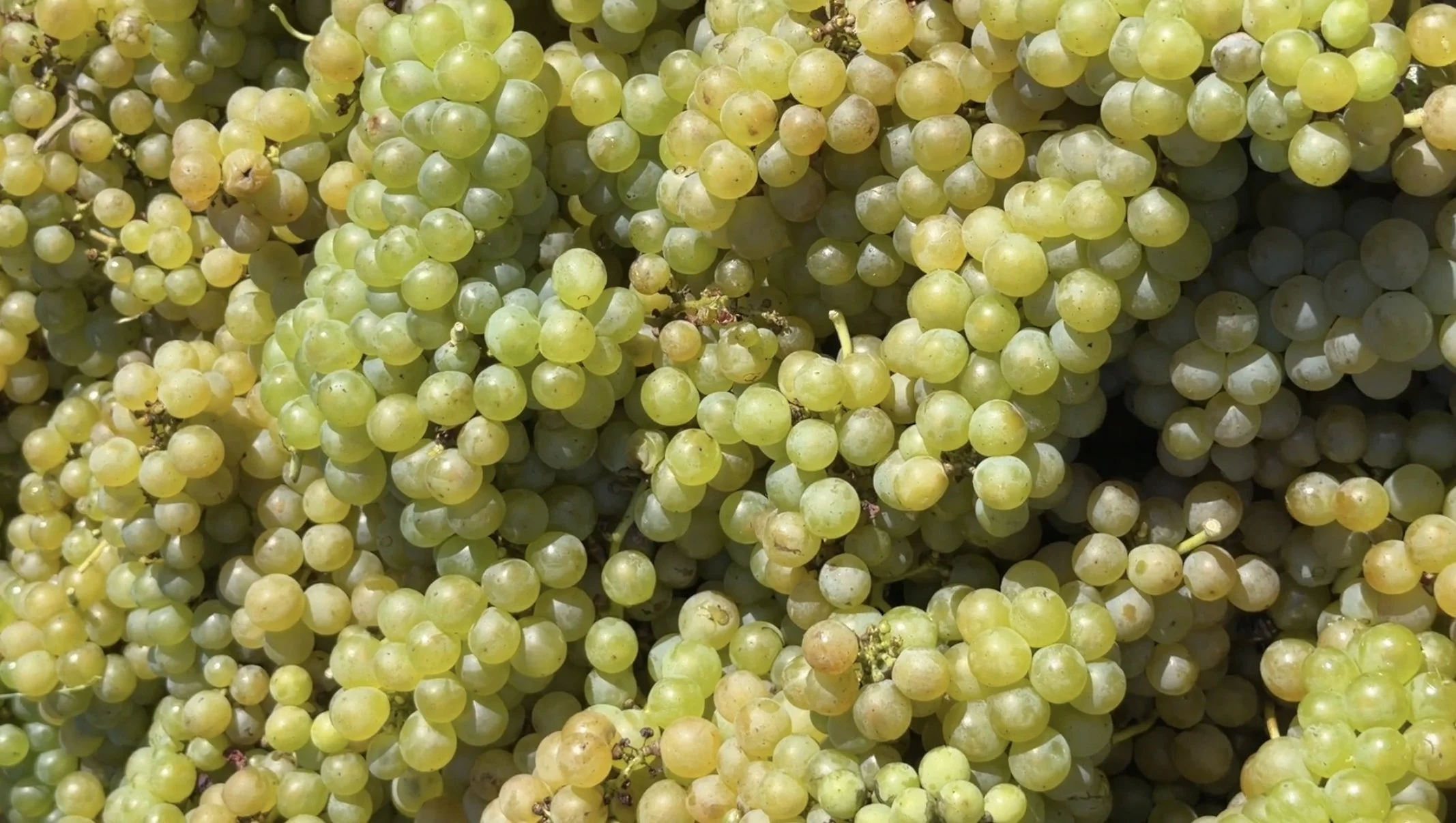
This week, the team will make an early-morning pick of Petit Manseng, destined for a new single-varietal sparkling wine that will build upon our Signature Sparkling White program.
Petit Manseng is particularly well suited to this style because it naturally develops both high sugar and high acidity. That combination gives the winemaker an exciting balancing act: capturing the variety’s ripe fruit character while preserving the bright acidity that makes a sparkling wine refreshing.
For this wine, timing is everything. By picking early, we can capture the grape’s natural acidity and freshness before sugar levels climb too high. Petit Manseng can be challenging to ferment completely dry because its sugar ripens quickly, which can ultimately push alcohol levels high enough to make it difficult for yeast to finish fermentation. Our vision is to hand-harvest the fruit in the cool early morning hours, then ferment it slowly in stainless steel. The finished sparkling wine will bring another layer of energy and lift through carbonation.
Red Varietals: Picking With Rosé in Mind
We will also begin an early pick of several red varietals, including Tannat, Cabernet Franc, and Merlot, specifically for rosé production.
Picking red grapes early allows us to capture fresh acidity, vibrant fruit flavors, and a lighter, more delicate profile rather than the deeper color, tannin, and concentration we seek for our red wine program.
After these initial picks, the team will evaluate the remaining fruit in the vineyard and determine which blocks should be allowed to hang longer on the vine. Additional hang time allows grapes to develop greater sugar concentration, flavor maturity, color, and tannin structure, all important considerations when crafting our red wines.
In other words, harvest isn't simply about picking when grapes are "ripe." Each variety and each block tells us something different, and the winemaking team uses that information to determine the best moment to pick for the style of wine we want to create.

From Vineyard to Bottle
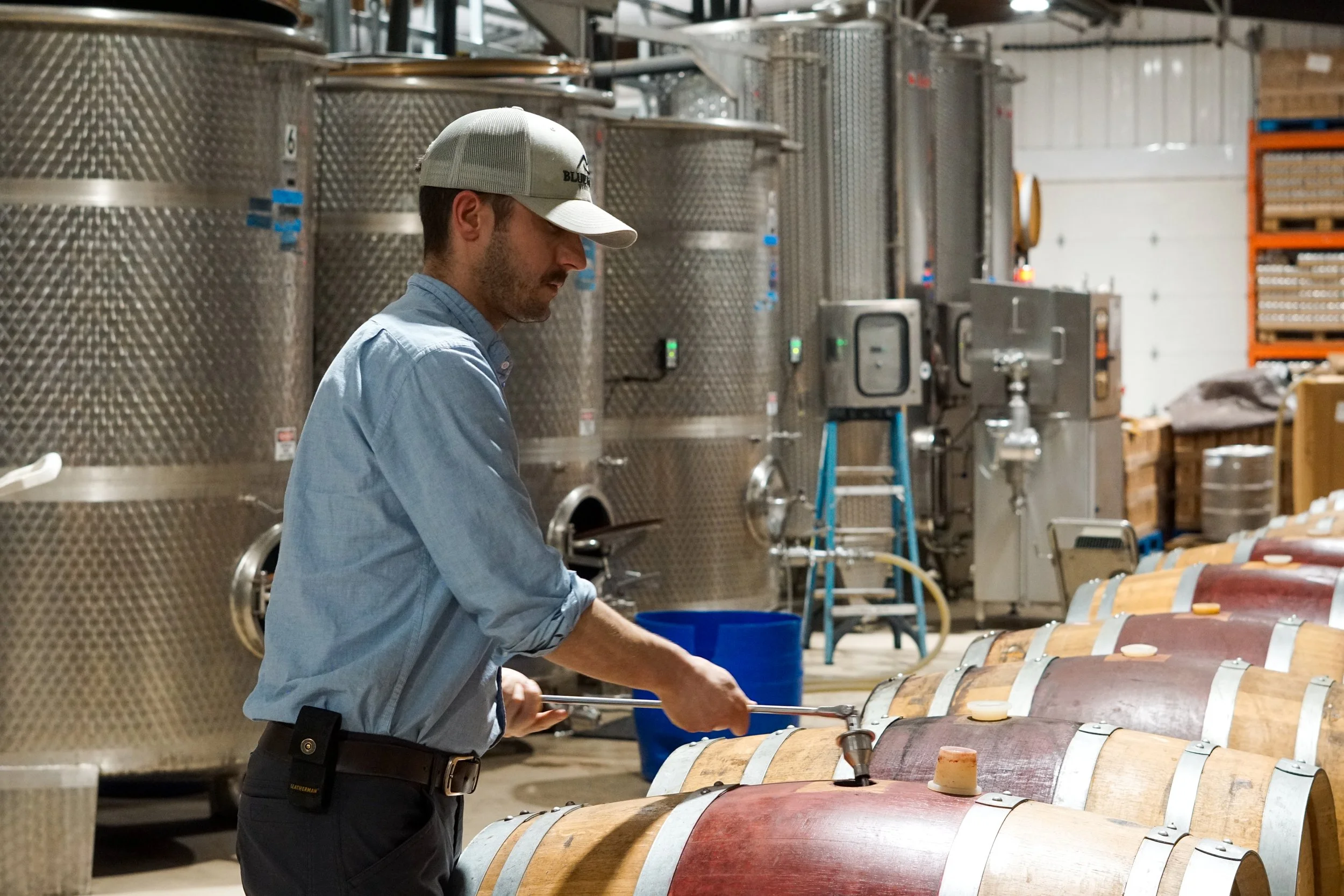
Harvest isn't the only production happening at the winery. The team recently came together for a hand bottling of our Sparkling Peach and Piquette Rosé. The Piquette Rosé will make its debut at our Harvest Party on November 7th at The Stable.
These wines offer a fun glimpse into the creativity that happens beyond traditional vineyard-to-bottle winemaking, and we can't wait to share them with guests.
The Vintage Is Just Beginning
The first picks of harvest give us our initial glimpse into the character of the 2026 vintage, but there is still a long way to go. Over the coming weeks, we'll continue tasting fruit, monitoring chemistry, watching the weather, and making decisions block by block.
For our guests, that means something exciting: the wines you'll enjoy next year are being shaped right now, one harvest decision at a time.
We’re excited to see how these early picks develop and to share the story of the 2026 vintage along the way.
A Look Across the Road: The April Frost at Great Country Farms
The April frost that affected our vineyard also made an impact across the road at Great Country Farms, where the apple harvest faced its own challenges. About 60% of the farm’s apple crop made it through, leaving plenty to be thankful for while also making this year’s harvest especially meaningful.
You may notice frost rings on some of the apples this season. These marks are cosmetic and do not impact the taste of the fruit, but they are a visible reminder of the weather our crops endured this spring.
Read Farmer Jake’s Apple Harvest Update & Learn More About the April Frost →
From apples in the orchard to grapes in the vineyard, this year’s harvest is a reminder that every vintage—and every growing season—has a story to tell.
Have You Met the Winemaker Behind the 2026 Vintage?
Meet James Lovasz, the winemaker shaping the 2026 vintage at Bluemont Vineyard. Read our latest blog to get to know James, learn more about his winemaking journey, and follow along as he brings this year’s wines to life.